Chemical Laboratory Bottles About
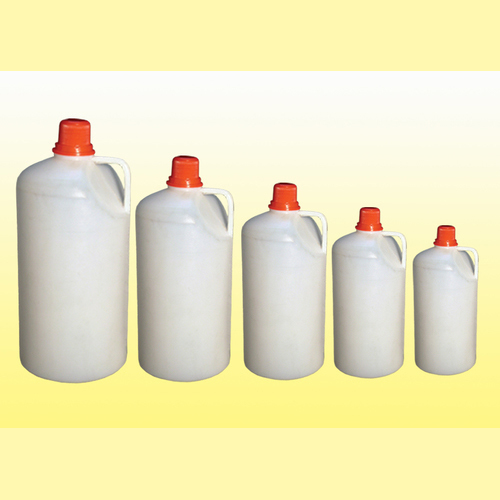
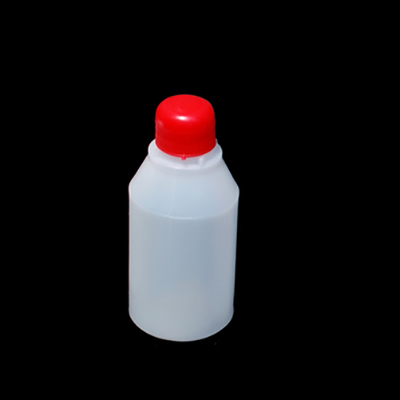
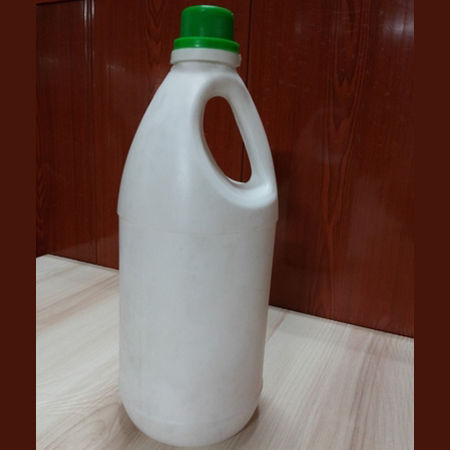
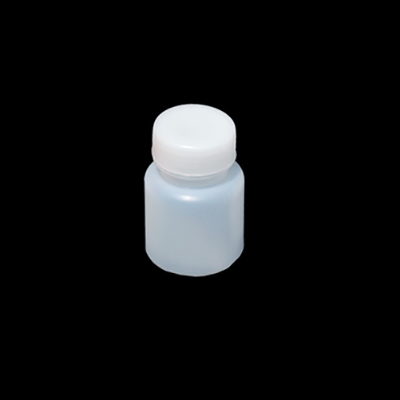
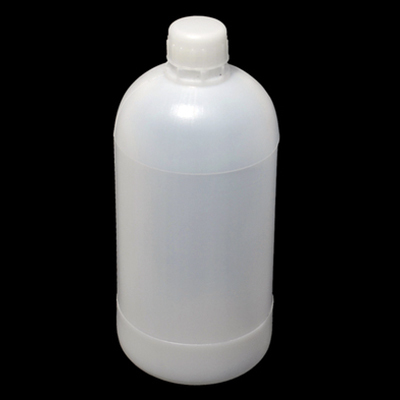
We are well known in this industry for manufacturing and supplying a vast array of Chemical Laboratory Bottles. These bottles are made by using high quality plastic that is treated to make them resistant to chemicals. Offered bottles have accurate shape and size that is possible with help of innovative bottle making machine. Our bottles are available in a variety of sizes as per clients' demands. Highly demanded in laboratory and medical institutions, these Chemical Laboratory Bottles are ideal to pack chemicals in safe manner and prevent them from outer impacts with their leakage proof nature and tight lid.
Autoclavable for Reliable Sterility
Polypropylene bottles in this range can withstand autoclave temperatures up to 120C, facilitating safe, repeated sterilization. This is ideal for environments demanding rigorous cleanliness, such as chemical and research laboratories. After autoclaving, bottles retain structural integrity and chemical resistance, ensuring consistent performance through repeated use.
Leakproof and Chemically Resistant Design
The bottles feature a precision screw cap with an integrated seal, ensuring they remain leakproof even with aggressive chemicals. Constructed from materials with high chemical resistance, including polypropylene and HDPE, they stand up to most acids and alkalis. This makes the bottles particularly suitable for safe storage and dispensing of a wide variety of laboratory reagents.
Clear Visibility with Molded Graduations
Translucent construction and molded, easy-to-read graduation markings allow for quick and precise measurement of liquid contents. The smooth, glossy surface enhances handling while the clarity of the bottle ensures easy identification of volume at a glance, streamlining laboratory workflows.
FAQs of Chemical Laboratory Bottles:
Q: How do I sterilize these laboratory bottles before use?
A: To sterilize polypropylene bottles, place them in an autoclave, ensuring the maximum temperature does not exceed 120C. This process eliminates contaminants and prepares the bottles for safe laboratory usage. HDPE bottles are less suited for autoclaving; consult material guidelines before subjecting them to high heat.
Q: What chemicals can safely be stored in these bottles?
A: These bottles, made from polypropylene or HDPE, are highly resistant to most acids and alkalis, making them suitable for storing a broad range of laboratory chemicals. However, always verify the chemical compatibility of your reagents with the specific plastic before use.
Q: When should I replace or dispose of a laboratory bottle?
A: Replace the bottle if you notice any deformation, cracking, or persistent chemical stains after repeated use or autoclaving. Proper maintenance ensures the integrity of stored chemicals and laboratory safety.
Q: Where are these laboratory bottles commonly used?
A: These bottles are widely used in research and analytical laboratories, chemical manufacturing facilities, and education sectors throughout India and globally for safe chemical storage and dispensing.
Q: What are the benefits of using bottles with molded graduation markings?
A: Molded, easy-to-read graduations provide precise volume measurement, reduce user error, and allow for efficient workflow during laboratory procedures involving liquid handling.
Q: Can these bottles be used for food or pharmaceutical storage?
A: No, these bottles are not food-grade certified and are intended strictly for laboratory use with chemicals or non-ingestible substances.


 Send Inquiry



 Send Inquiry



 English
 Spanish
 French
 German
 Italian
 Chinese (Simplified)
 Japanese
 Korean
 Arabic
 Portuguese